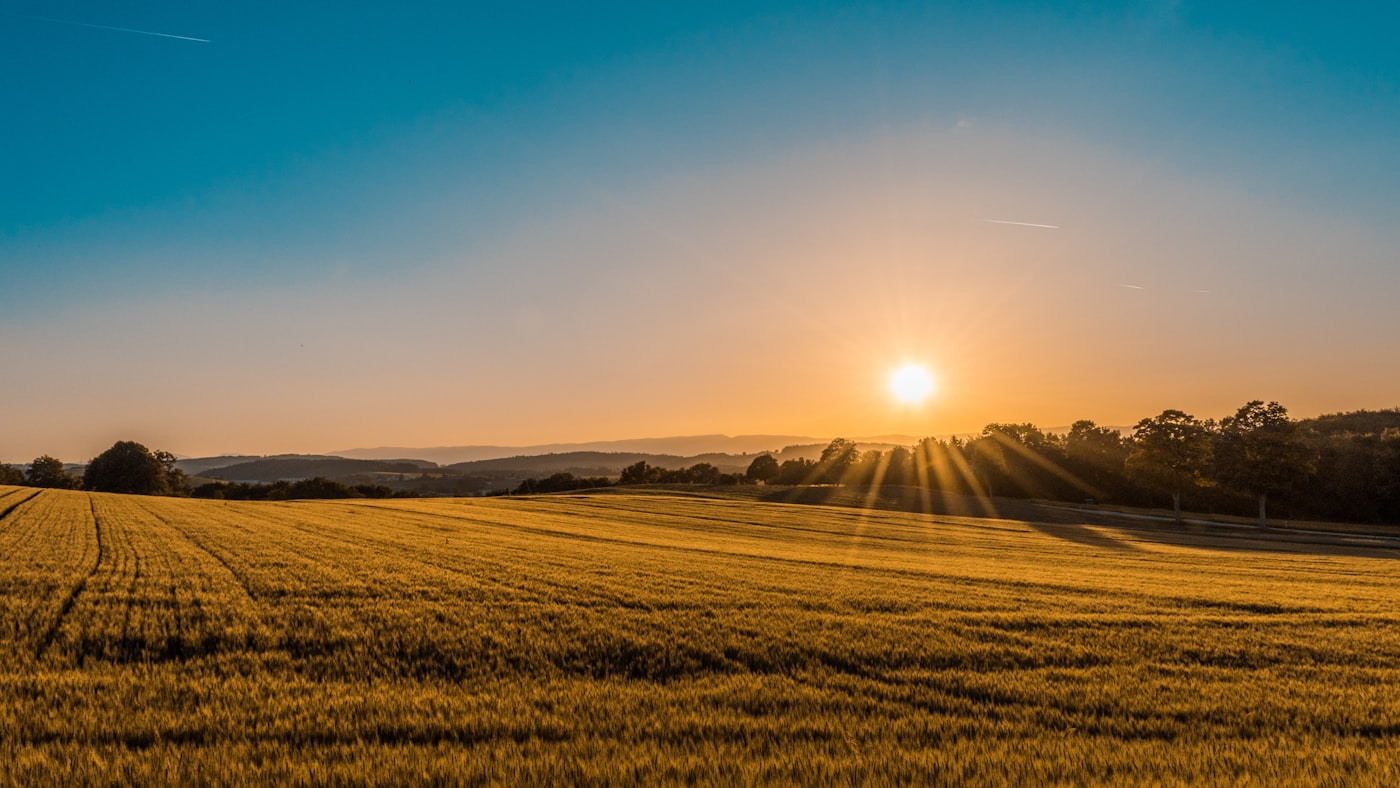
1. Harvest
Growers dry spices and millets the traditional way — sun, shade, and patience — then we sample for aroma, moisture, and foreign matter.
Sourcing
India’s spice and millet map is specific. Erode turmeric is not the same as a generic yellow powder. Byadgi chili from Haveri is not the same as a dyed red mash. We buy the named crop from the place that made it famous, then keep lots separate on the way to Pleasanton.
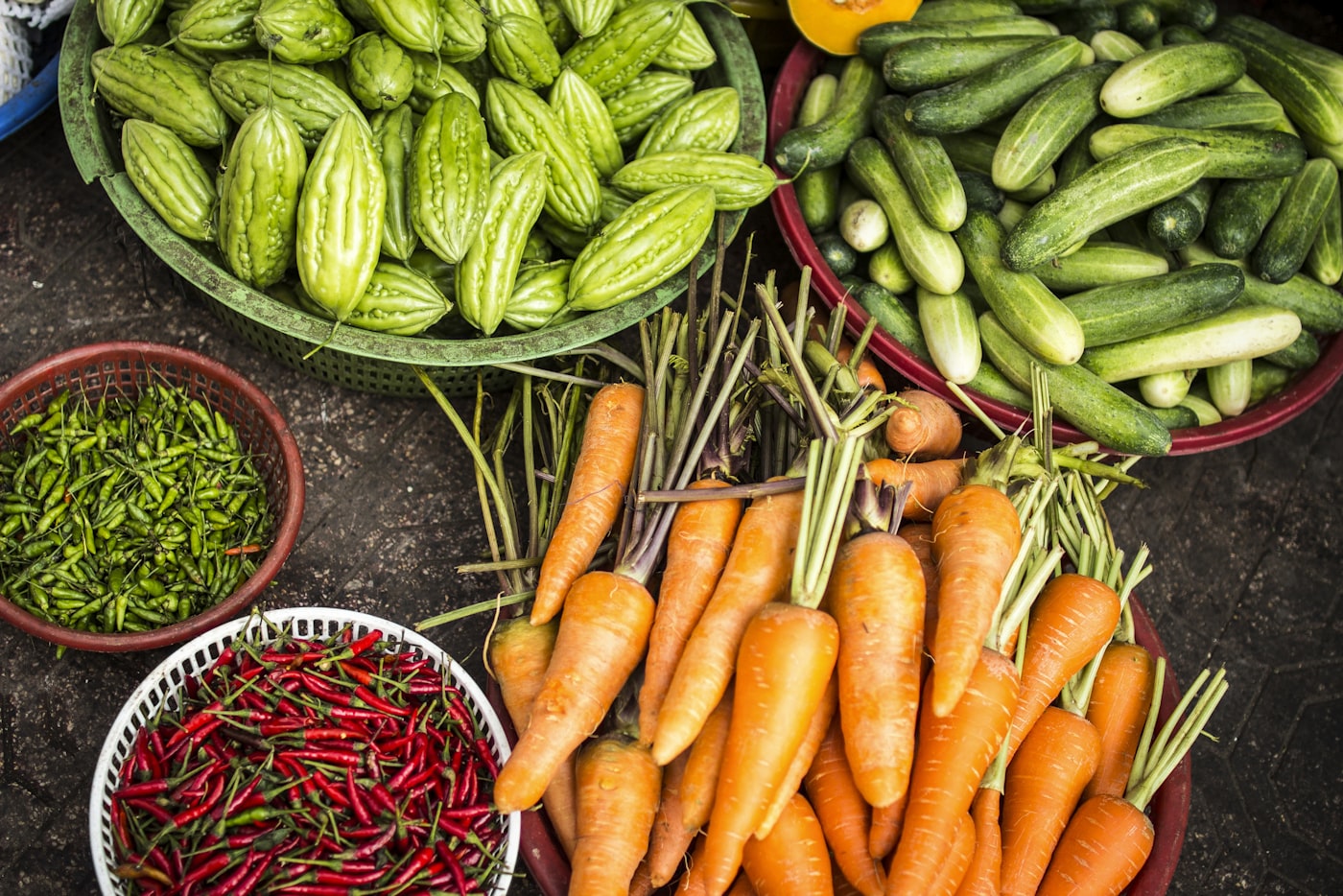
Tamil Nadu
We look to Tamil Nadu for turmeric from the western belts, mustard and fenugreek for tadka, curry leaves, black pepper from the Ghats edge, and pearl millet (kambu) from rainfed districts. These are the flavors that start rasam, sambar, and everyday poriyal.
Farmers here have grown millets through drought years long before they were restyled as superfoods. We pay for clean, well-dried grain — not for a health-claim sticker.
Karnataka
Karnataka is ragi country. Finger millet from Mandya and neighboring districts is the grain behind mudde and countless breakfast porridges. Haveri’s Byadgi chili is a GI crop: wrinkled, deep red, modest heat, extraordinary color.
Hill farms supply green cardamom. Dryland plots supply foxtail (navane), little millet, kodo, barnyard, sorghum (jola), and browntop millet (korale) — the siridhanya set Kannada households still cook every week.
How a lot travels
Growers dry spices and millets the traditional way — sun, shade, and patience — then we sample for aroma, moisture, and foreign matter.
Grain is cleaned and spices are kept whole until a powder is needed. We avoid mixed “curry powder” anonymity unless you ask for a house blend.
Import paperwork, then retail and wholesale packs from Pleasanton, CA. You order by email; we confirm the lot before we charge.